
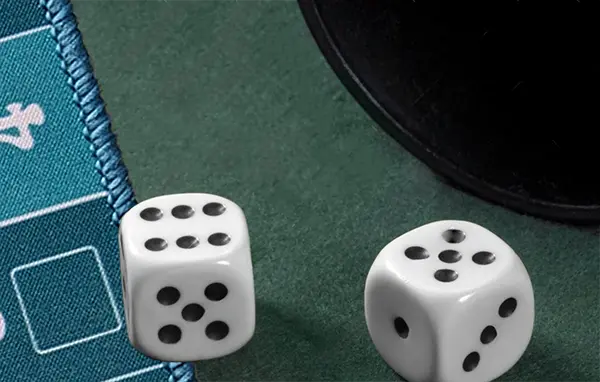
In the world of dice games, few can claim the perfect blend of strategy, psychology, and sheer entertainment value that Liar’s Dice (also known as Perudo) delivers. Whether you’re calling someone’s bluff over pints at the pub or engaged in an intense family game night showdown, this centuries-old game continues to captivate players around the world. Let’s dive into what makes this deception-based dice game so enduringly popular and explore some fascinating aspects you might not know.
The Colourful Origins of Liar’s Dice
While many modern players were introduced to Liar’s Dice through the “Pirates of the Caribbean” films (remember Will Turner’s high-stakes game against Davy Jones?), the game’s history stretches back much further.
Liar’s Dice originated in South America, particularly Peru, where it was known as “Dudo” (Spanish for “I doubt”). Spanish conquistadors encountered the game in the 16th century and brought it back to Europe, where it quickly gained popularity in taverns and gambling houses.
The name “Perudo” actually comes from the game’s Peruvian origins, while “Liar’s Dice” speaks directly to the game’s central mechanic—calling out dishonest bids. This cross-cultural journey explains why the game exists in so many variations around the world today.
The Psychology Behind the Bluff
What makes Liar’s Dice particularly fascinating is how it leverages human psychology. Unlike pure strategy games like chess, Liar’s Dice inhabits that intriguing space where mathematical probability meets psychological warfare.
Consider these psychological elements at play:
-
Reading “tells”: Experienced players know to watch for subtle physical cues—a quick glance at dice, nervous finger tapping, or slight changes in voice pitch when making a bid.
-
Anchoring effect: The first bid often “anchors” subsequent thinking. If someone opens with a surprisingly high bid of “seven fours,” it shifts everyone’s perception of what’s reasonable.
-
Risk assessment under pressure: Each player must constantly evaluate the statistical likelihood of various dice combinations existing under all cups, while simultaneously managing their own comfort with risk.
-
The confidence paradox: Sometimes the most statistically unlikely claims are made with the greatest confidence—a psychological tactic that can make opponents doubt their own assessment.
This blend of probability calculation and psychological insight is what elevates Liar’s Dice from a simple game of chance to a rich exercise in human interaction.
Strategy or Luck? The Mathematics of Deception
While psychology plays a huge role, successful Liar’s Dice players also understand the probabilities. The game creates a fascinating tension between:
- Known information: Your own dice
- Unknown information: Everyone else’s dice
- Probability: The statistical likelihood of certain combinations
For example, in a five-player game with each rolling five dice, there are 25 dice total. The probability of any specific value appearing can be calculated as:
- The chance of at least one 4 in the entire game: extremely high
- The chance of at least eight 4s in the entire game: much lower
Understanding these probabilities gives players a foundation for detecting suspicious bids. The best players develop an intuitive feel for what’s statistically reasonable while also factoring in how many dice remain in play.
Cultural Impact and Variations
Liar’s Dice’s global journey has resulted in fascinating regional variations:
- Mexican Dudo: Played with special dice marked with characters instead of numbers
- Danish Mia: A two-dice variant with special rules for certain combinations
- Chinese Liar’s Dice: Often played with special scoring systems and ceremonial cups
The game has even appeared in various forms of media beyond the “Pirates of the Caribbean” franchise, including video games like “Red Dead Redemption” and numerous board game adaptations.
The Social Magic of Liar’s Dice
What truly sets Liar’s Dice apart is its social dimension. Unlike many games where players silently contemplate their next move, Liar’s Dice creates natural interaction:
- The suspenseful moment when a player calls “Dudo!”
- The dramatic reveal of dice
- The good-natured accusations of deception
- The laughter when an improbable bluff succeeds
This social element explains why Liar’s Dice remains a staple at gatherings. It’s accessible enough for newcomers yet offers sufficient depth for dedicated players to develop their skills over time.
Improving Your Liar’s Dice Game
Want to elevate your Liar’s Dice skills? Consider these tips from experienced players:
-
Mix your strategy: Be unpredictable by sometimes bidding truthfully based on your dice and sometimes bluffing.
-
Watch for patterns: Most players have unconscious patterns in how they bid when bluffing versus when they’re confident.
-
Use probability as your foundation: Start with what’s statistically likely, then adjust based on player behaviour.
-
Master the poker face: Practise keeping your expressions neutral regardless of your dice.
-
Track the dice: A clear playing surface (like Swooploop’s specialised game mat) helps players keep track of eliminated dice and remaining players, making probability calculations easier.
Modern Innovations in Traditional Play
While the core gameplay has remained relatively unchanged for centuries, modern innovations have enhanced the experience. Specialised cups with felt bottoms prevent accidental reveals, custom dice with unique symbols add visual flair, and dedicated playing surfaces help organise the game and track progress.
For those serious about their Liar’s Dice experience, tools like a dedicated game mat can transform casual play into something more structured and strategic. By clearly delineating player positions and tracking eliminated dice, such accessories help players focus on the psychological and probabilistic elements that make the game so engaging.
The Enduring Appeal
In an age of digital entertainment, there’s something refreshingly direct about gathering around a table, shaking dice cups, and trying to outfox your friends and family. Liar’s Dice endures precisely because it taps into fundamental human experiences—risk-taking, deception detection, and the thrill of successfully selling a bluff.
Whether you’re a probability mastermind calculating exact odds or someone who plays purely on intuition and reading faces, Liar’s Dice offers a place at the table. Its beautiful simplicity in equipment (just dice and cups) combined with its depth of play ensures this centuries-old game will continue delighting players for generations to come.
So gather your cups, shake those dice, and prepare to enter the wonderful world of calculated deception that is Liar’s Dice. Just remember—when someone makes that suspiciously confident bid, sometimes the boldest move is simply to look them in the eye and say: “Dudo!”
Enhance your Liar’s Dice experience with Swooploop’s specialised game mat, designed to keep track of players, dice, and game progress with ease. Visit swooploop.co.uk to learn more about how our mat can elevate your favourite dice game.